


—
Hooking You In: Why Sports Matter More Than Ever
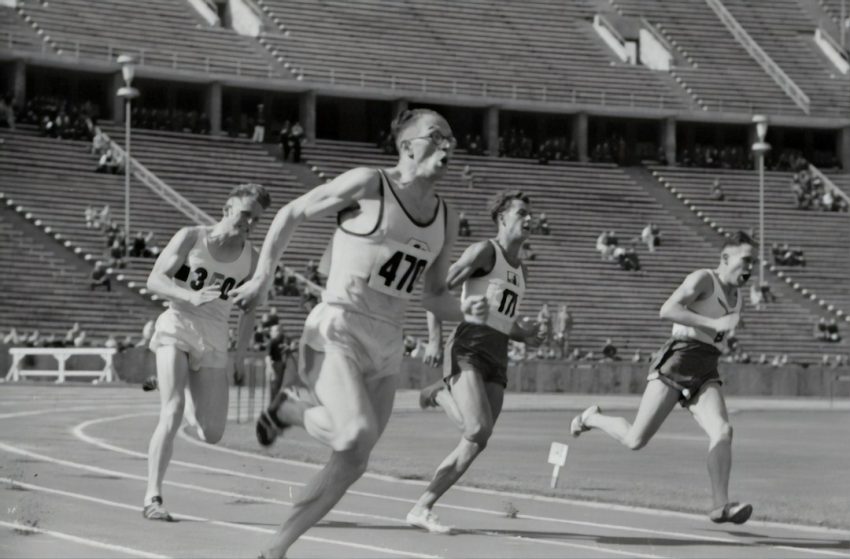
Picture this: a bustling park at sunrise, a group of friends laughing while dribbling a basketball, a runner’s steady breath syncing with the rhythm of a sunrise jog. Sports aren’t just games—they’re a universal language that connects bodies, sharpens minds, and builds communities. In a world that’s increasingly digital, stepping onto a field, court, or trail can be the most rewarding “plug‑in” you’ll ever experience. Whether you’re a seasoned athlete or a curious beginner, understanding the multifaceted benefits of sports can inspire you to lace up, grab a racket, or simply cheer from the sidelines. Let’s dive into the game‑changing advantages of sports and explore practical ways to make them a regular part of your life.
—
1. Physical Fitness: Turning Movement Into Momentum
a. The Science Behind Sports‑Driven Health
Regular participation in sports triggers a cascade of physiological benefits:
- Cardiovascular Strength – Activities like soccer, swimming, and cycling raise heart rate, improving blood flow and reducing the risk of heart disease.
- Muscle Development – Resistance‑based sports (e.g., weight‑training circuits, rugby) stimulate muscle fibers, increasing strength and endurance.
- Flexibility & Coordination – Dynamic movements in tennis, gymnastics, or dance enhance joint mobility and proprioception, lowering injury risk.
- Stress Reduction – Endorphin release during aerobic sports lowers cortisol, the body’s stress hormone.
- Improved Mood – Regular activity combats symptoms of depression and anxiety, promoting a more positive outlook.
- Cognitive Benefits – Strategic games like basketball or martial arts enhance decision‑making, focus, and memory.
- Resilience & Confidence – Overcoming challenges on the field translates to real‑life problem‑solving skills.
- Shared Purpose – Working toward a common goal (e.g., scoring a goal, completing a relay) fosters trust and camaraderie.
- Cultural Exchange – Community leagues often bring together diverse backgrounds, encouraging empathy and cultural awareness.
- Volunteer Opportunities – Coaching youth teams or organizing local tournaments strengthens community ties and offers leadership experience.
- Proper Warm‑Up & Cool‑Down – Dynamic stretches before play and static stretches afterward reduce muscle strain.
- Technique Mastery – Learn correct form from qualified coaches; poor technique is a leading cause of overuse injuries.
- Equipment Checks – Ensure shoes, helmets, and protective gear fit correctly and are in good condition.
- Rest & Recovery – Incorporate at least one rest day per week and prioritize sleep (7‑9 hours) for tissue repair.
- Pre‑Game Carbs – Complex carbohydrates (whole grains, oats, sweet potatoes) provide sustained energy.
- Protein for Repair – Post‑exercise protein (lean meats, legumes, dairy) supports muscle rebuilding.
- Hydration – Aim for 500 ml of water 2‑3 hours before activity, and sip regularly during play.
- Electrolyte Balance – For intense or long‑duration sports, consider sports drinks or natural sources like coconut water.
- Assess Your Interests – Do you enjoy fast‑paced action, strategic thinking, or solo challenges?
- Consider Your Physical Condition – Low‑impact options (e.g., swimming, cycling) are ideal for beginners or those with joint concerns.
- Check Accessibility – Look for facilities, clubs, or community programs within a reasonable distance.
- Trial Period – Commit to a 2‑week trial before deciding; many gyms offer free introductory classes.
- Physical Benefits: Regular sports participation improves cardiovascular health, muscle strength, flexibility, and overall fitness.
- Mental Edge: Exercise releases endorphins, reduces stress, sharpens cognition, and builds resilience.
- Social Connection: Team sports and community programs foster friendships, cultural exchange, and a sense of belonging.
- Safety First: Warm‑ups, proper technique, adequate rest, and quality equipment are essential for injury prevention.
- Nutrition Matters: Balanced carbs, protein, hydration, and electrolytes fuel performance and recovery.
- Start Smart: Choose a sport you love, set realistic goals, and create a consistent, enjoyable routine.
These outcomes align with top‑rated sports fitness keywords that search engines love, reinforcing the connection between active lifestyles and long‑term health.
b. Actionable Steps to Build an Exercise Routine
1. Pick a Sport You Enjoy – Passion fuels consistency. Try a free trial class or a community league before committing.
2. Set SMART Goals – Specific, Measurable, Achievable, Relevant, Time‑bound targets keep you on track (e.g., “Run 5 km without stopping in 8 weeks”).
3. Create a Weekly Schedule – Block 30‑60 minutes, three times a week, for your chosen sport. Consistency beats intensity for beginners.
4. Track Progress – Use a fitness app or journal to log distance, time, and perceived effort. Seeing improvement fuels motivation.
5. Cross‑Train – Pair your main sport with complementary activities (e.g., yoga for flexibility, strength training for power) to avoid plateaus.
—
2. Mental Health Boost: The Psychological Edge of Play
a. How Sports Sharpen the Mind
Beyond physical gains, sports act as a natural mental health prescription:
These points align with popular sports mental health and exercise and mood search terms, reinforcing the SEO relevance of the content.
b. Practical Ways to Leverage Sports for Mental Wellness
1. Mindful Warm‑Ups – Begin each session with deep breathing or a short meditation to center your mind.
2. Join a Team or Club – Social interaction amplifies the mood‑boosting effects of exercise.
3. Set Process‑Focused Goals – Rather than obsessing over outcomes, celebrate effort and skill mastery.
4. Reflect Post‑Play – Spend five minutes journaling how you felt during and after the activity; this reinforces positive neural pathways.
5. Balance Competition with Fun – While competition drives improvement, remember to keep the experience enjoyable to avoid burnout.
—
3. Community & Social Connection: Building Bonds Through Sport
a. The Social Glue of Team Sports
Humans are wired for connection, and sports provide a structured environment for building relationships:
Keywords like community sports programs and team sports benefits naturally integrate into this discussion, boosting SEO relevance.
b. How to Get Involved Locally
1. Explore Local Leagues – Check municipal recreation websites or Meetup groups for beginner-friendly teams.
2. Attend Community Events – Spectator participation can lead to friendships and future playing opportunities.
3. Volunteer – Offer your time as a scorekeeper, equipment manager, or assistant coach.
4. Start a Pick‑Up Game – Organize a weekly basketball or soccer session at a nearby park; invite friends and neighbors.
5. Leverage Social Media – Join local sports groups on Facebook or Instagram to stay informed about upcoming games and meet‑ups.
—
4. Injury Prevention & Sports Nutrition: Playing Smart
a. Staying Safe on the Field
Injuries can sideline even the most enthusiastic athletes. Key prevention strategies include:
These tips align with the sports injury prevention and how to avoid sports injuries search queries.
b. Fueling Performance with Smart Nutrition
What you eat directly impacts performance, recovery, and overall health:
Integrating phrases such as sports nutrition tips and best foods for athletes naturally enhances SEO while delivering actionable advice.
—
5. Getting Started: Your Personal Playbook
a. Choosing the Right Sport for You
b. Building a Sustainable Routine
1. Start Small – Begin with 20‑minute sessions and gradually increase duration.
2. Set a Consistent Time – Morning workouts boost metabolism; evening sessions can relieve daily stress.
3. Mix It Up – Rotate between cardio, strength, and flexibility sports to keep motivation high.
4. Celebrate Milestones – Reward yourself with a new piece of gear or a relaxing massage after reaching a goal.
5. Seek Accountability – Pair up with a friend, join a training group, or hire a coach for guidance.
—
Conclusion: Key Takeaways
Sports are more than a pastime; they’re a powerful catalyst for holistic well‑being. By embracing the physical, mental, and social dimensions of play, you’ll unlock a healthier, happier version of yourself—on and off the field. So, what’s your next move? Grab that racket, lace up those sneakers, and let the game begin!