


—
🚗 Introduction – Why the Automobile Still Captivates Us
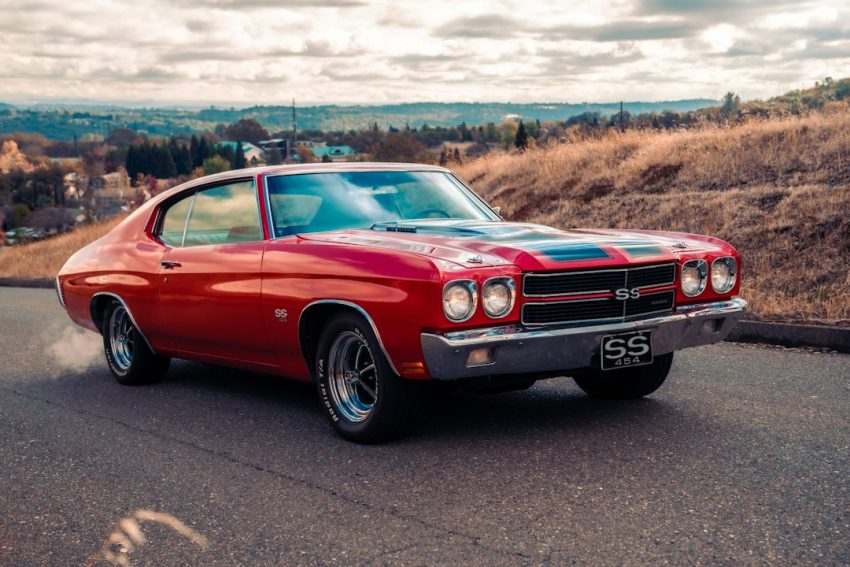
Imagine the first time you heard a roaring engine, felt the vibration of a sleek sports car passing you on the highway, or watched a futuristic electric vehicle glide silently through the city. From the Model T that put the world on wheels to today’s self‑driving pods, the automobile is more than just a means of transport—it’s a cultural icon, a technological marvel, and a massive economic engine.
If you’re a car enthusiast, a daily commuter, or someone simply curious about where the industry is headed, this guide will give you the insights you need to stay ahead of the curve. Buckle up for a 1,000‑word deep dive that covers everything from buying smart to maintaining your ride, and even peeking into the future of mobility.
—
1️⃣ Choosing the Right Vehicle – A Practical Buying Checklist
Whether you’re hunting for your first car or upgrading to a family SUV, making an informed purchase can save you thousands of dollars and countless headaches. Here’s a step‑by‑step checklist that turns a daunting decision into a confident one.
1. Define Your Primary Use
- Daily commuting: Prioritize fuel efficiency (or electric range) and compact dimensions for easy parking.
- Family hauling: Look for three‑row seating, high safety ratings, and ample cargo space.
- Adventure & off‑road: Consider ground clearance, four‑wheel drive, and rugged suspension.
- Purchase price: Use the 20/4/10 rule—spend no more than 20 % of your annual income, finance for no longer than four years, and keep monthly payments under 10 % of your take‑home pay.
- Ownership costs: Factor in insurance, fuel or electricity, maintenance, and depreciation. Tools like Edmunds’ True Cost to Own calculator can help you project these numbers.
- Reliability: Check Consumer Reports and J.D. Power scores.
- Safety: Look for IIHS Top Safety Pick+ or NHTSA 5‑star ratings. Features like automatic emergency braking, lane‑keep assist, and blind‑spot monitoring are now mainstream and should be non‑negotiable.
- Drive dynamics: Pay attention to steering feedback, braking distance, and cabin noise.
- Pre‑purchase inspection: For used cars, a certified mechanic should examine the engine, suspension, and electronic systems.
- Frequency: Every 5,000–7,500 km for synthetic oil, or follow the manufacturer’s schedule.
- DIY tip: Warm up the engine for a few minutes, drain the old oil, replace the filter, and refill with the recommended grade. Clean the oil pan gasket to prevent leaks.
- Pressure: Check monthly; keep it within the range printed on the driver’s door jamb. Under‑inflated tires reduce fuel efficiency by up to 3 %.
- Rotation: Every 8,000–10,000 km to ensure even wear.
- Tread depth: Use the penny test—if the top of Lincoln’s head is visible, it’s time for new tires.
- Pad inspection: Replace when thickness falls below 3 mm.
- Fluid flush: Every 2 years or 30,000 km to maintain hydraulic performance.
- Clean terminals: Remove corrosion with a baking‑soda solution.
- Charge level: For conventional batteries, keep the charge between 20 %–80 % to extend lifespan. For electric vehicles, aim for a daily charge to 80 % and a full charge only on long trips.
- Winter: Verify antifreeze concentration, replace wiper blades, and consider winter tires.
- Summer: Check cooling system, air‑conditioner refrigerant, and sunroof seals.
- Gentle acceleration: Keep throttle input under 2 seconds to the 0–60 km/h mark.
- Coasting: Release the accelerator early and let the car roll before braking.
- Maintain steady speeds: Use cruise control on highways to stay within the optimal RPM range (usually 2,000–3,000 rpm).
- Remove roof racks when not in use—these can increase aerodynamic drag by up to 15 %.
- Clear out excess cargo; every 45 kg of extra weight can raise fuel consumption by 1 %.
- Low‑rolling‑resistance tires can improve fuel economy by 2–4 % without sacrificing grip.
- Hybrid regenerative braking: Maximize energy recapture by anticipating stops.
- EV charging habits: Charge during off‑peak hours to lower grid demand and often get cheaper electricity rates.
- E‑85 (85 % ethanol): Offers a modest reduction in CO₂ emissions but may reduce fuel economy.
- Compressed Natural Gas (CNG): Lower particulate emissions; best suited for fleet vehicles.
- Global sales: BEV (Battery Electric Vehicle) sales surpassed 10 million units in 2023 and are projected to hit 30 million by 2027.
- Infrastructure boom: Fast‑charging networks (e.g., Tesla Supercharger, Ionity) now cover over 500,000 charging points worldwide.
- Level 3 automation is already legal in several European markets, allowing hands‑off driving on highways.
- Future outlook: Level 4/5 vehicles will first appear in limited‑area “mobility‑as‑a‑service” (MaaS) fleets before hitting mainstream consumer models.
- Vehicles now receive software patches like smartphones, fixing bugs, improving range, or adding new infotainment features without a dealership visit.
- Recycled aluminum, bio‑based plastics, and vegan interiors are reducing the carbon footprint of manufacturing.
- End‑of‑life programs: Many OEMs (Original Equipment Manufacturers) now offer battery recycling and vehicle take‑back schemes.
- What it is: Pay a monthly fee that covers the vehicle, insurance, maintenance, and sometimes even charging.
- Who benefits: People who crave flexibility, want to switch models often, or avoid long‑term depreciation.
- Earn extra income: List your vehicle on platforms like Turo or Getaround when you’re not using it.
- Reduce costs: Car‑pooling apps can cut commuting expenses by up to 30 %.
- Usage‑based insurance (UBI): Telematics devices track driving behavior; safe drivers can save 10–20 % on premiums.
- Bundle policies: Combine auto, home, and life insurance with the same provider for discounts.
- Timing: Sell before major model refreshes (typically late summer) to fetch higher trade‑in values.
- Documentation: Keep all service records, receipts, and a clean title—buyers love transparency.
2. Set a Realistic Budget
3. Compare Powertrains
| Powertrain | Pros | Cons |
|————|——|——|
| Gasoline | Wide availability, lower upfront cost | Higher emissions, fluctuating fuel prices |
| Hybrid | Excellent fuel economy, regenerative braking | Slightly higher purchase price |
| Plug‑in Hybrid (PHEV) | Electric‑only range for short trips, flexible | Requires charging infrastructure |
| Battery‑Electric (BEV) | Zero tailpipe emissions, low running costs | Range anxiety, charging time |
If you drive under 15 000 km a year, a plug‑in hybrid or compact electric vehicle often offers the best ROI.
4. Research Reliability & Safety
5. Take a Test Drive & Inspect
Actionable tip: Create a spreadsheet with the above criteria, assign a weight to each factor (e.g., safety = 30 %), and score every vehicle you consider. The highest total points will point you to the best overall fit.
—
2️⃣ Keeping Your Car Running Smoothly – Essential Maintenance Hacks
A well‑maintained automobile not only lasts longer but also stays safer and more fuel‑efficient. Below are the top five maintenance habits every driver should adopt, along with quick‑fix tricks you can perform at home.
2.1. Oil & Filter Changes – The Lifeblood of Your Engine
2.2. Tire Care – The Only Contact Point with the Road
2.3. Brake System – Safety First
2.4. Battery Health – Especially Critical for EVs & Hybrids
2.5. Seasonal Checks
Actionable tip: Set calendar reminders on your phone for each maintenance interval. Many modern cars also allow you to schedule service alerts through the manufacturer’s app.
—
3️⃣ Fuel Efficiency & Going Green – How to Reduce Your Carbon Footprint
Driving a fuel‑efficient automobile isn’t just good for your wallet; it’s essential for the planet. Below are proven strategies that work for gasoline, hybrid, and electric vehicles alike.
3.1. Adopt Eco‑Driving Techniques
3.2. Reduce Vehicle Weight & Drag
3.3. Optimize Tire Choice
3.4. Leverage Technology
3.5. Consider Alternative Fuels
Actionable tip: Use a fuel‑tracking app (e.g., Fuelly or My MPG) for at least a month. Identify patterns—like frequent short trips or heavy acceleration—that you can adjust to shave off 5–10 % of fuel usage.
—
4️⃣ The Future of the Automobile – Trends Shaping 2025 and Beyond
The automotive landscape is evolving faster than ever. Below are the four megatrends that will dictate how we drive, own, and interact with our vehicles in the next decade.
4.1. Electrification Takes the Lead
4.2. Autonomous Driving & ADAS (Advanced Driver‑Assistance Systems)
4.3. Connected Cars & Over‑the‑Air (OTA) Updates
4.4. Sustainable Materials & Circular Economy
Actionable tip: If you’re planning a new purchase, prioritize brands with strong EV roadmaps, OTA capabilities, and transparent sustainability reports. This future‑proofs your investment and aligns with greener values.
—
5️⃣ Smart Ownership – Maximizing Value & Enjoyment
Owning an automobile is a long‑term commitment. Below are strategies to extract maximum value, whether you’re a city dweller, a road‑trip lover, or a tech geek.
5.1. Car Subscription Services
5.2. Ride‑Sharing & Car‑Pooling
5.3. Insurance Optimization
5.4. Resale Strategies
Actionable tip: Create a “vehicle lifecycle plan” in a notebook or digital note. Outline purchase date, major service milestones, insurance review dates, and a target resale window. Review it annually to stay on track.
—
🔚 Conclusion – Key Takeaways for the Modern Motorist
1. Buy smart: Define your needs, set a realistic budget, compare powertrains, and use a weighted scoring system to pick the perfect car.
2. Maintain proactively: Regular oil changes, tire care, brake inspections, and seasonal checks keep your automobile safe, efficient, and long‑lasting.
3. Drive green: Adopt eco‑driving habits, choose low‑rolling‑resistance tires, and consider electrified or alternative‑fuel options to slash emissions and fuel costs.
4. Embrace the future: Electrification, autonomous tech, OTA updates, and sustainable materials are no longer optional—they’re the new standard.
5. Own wisely: Leverage subscriptions, ride‑sharing, usage‑based insurance, and a solid resale plan to maximize value throughout your car’s life.
The automobile is at a pivotal moment, merging tradition with cutting‑edge innovation. By staying informed, practicing diligent maintenance, and embracing emerging trends, you’ll not only enjoy a smoother ride today but also contribute to a cleaner, smarter transportation ecosystem for tomorrow.
Ready to revamp your driving experience? Start with one actionable tip from this guide, and watch the benefits accelerate! 🚀